>
> |
| META TOPICPARENT |
name="Assessment.WebPreferences" |
Financing Waste-to-Energy and Waste Management Recycling Projects: What It Takes to Meet Institutional Standards
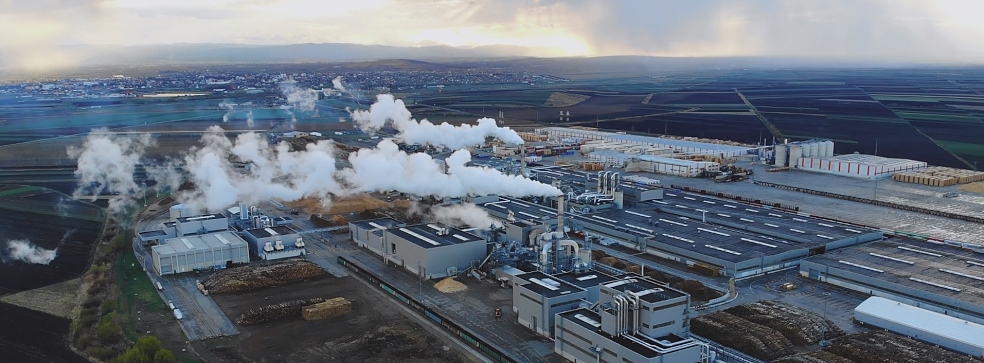 Waste-to-energy (WtE) and waste management recycling facilities are increasingly recognized as essential infrastructure in a world facing rapid urbanization, environmental pressures, and growing waste streams. Yet, despite strong demand and policy support, a significant percentage of these projects fail to secure long-term institutional financing.
The reason is not a lack of capital. It is a lack of bankability due to poor financial and risk structures.
According to National Standard, a U.S.-based project finance, infrastructure lender and infrastructure advisory firm, “Institutional investors are highly interested in waste-to-energy and recycling assets, but only when the projects are structured around predictable revenues, proven technologies, and disciplined risk management.” Its President, Russell Duke, author of The Infrastructure Bible and Infrastructure Wars, notes that “these projects succeed when they are treated as essential infrastructure, not speculative ventures.” Waste management projects don’t fit or conform in traditional banking asset classes.
This article outlines the critical elements required to finance waste-to-energy and recycling projects successfully, and why so many fail.
The Central Role of Tipping Fee Agreements
Unlike traditional power generation projects that rely heavily on electricity sales, waste-to-energy and recycling facilities are primarily financed based on tipping fee revenues. These fees—paid by municipalities or waste generators for processing waste—form the foundation of project cash flow.
For a project to be bankable, tipping fee agreements must be:
Waste-to-energy (WtE) and waste management recycling facilities are increasingly recognized as essential infrastructure in a world facing rapid urbanization, environmental pressures, and growing waste streams. Yet, despite strong demand and policy support, a significant percentage of these projects fail to secure long-term institutional financing.
The reason is not a lack of capital. It is a lack of bankability due to poor financial and risk structures.
According to National Standard, a U.S.-based project finance, infrastructure lender and infrastructure advisory firm, “Institutional investors are highly interested in waste-to-energy and recycling assets, but only when the projects are structured around predictable revenues, proven technologies, and disciplined risk management.” Its President, Russell Duke, author of The Infrastructure Bible and Infrastructure Wars, notes that “these projects succeed when they are treated as essential infrastructure, not speculative ventures.” Waste management projects don’t fit or conform in traditional banking asset classes.
This article outlines the critical elements required to finance waste-to-energy and recycling projects successfully, and why so many fail.
The Central Role of Tipping Fee Agreements
Unlike traditional power generation projects that rely heavily on electricity sales, waste-to-energy and recycling facilities are primarily financed based on tipping fee revenues. These fees—paid by municipalities or waste generators for processing waste—form the foundation of project cash flow.
For a project to be bankable, tipping fee agreements must be:
- Long-term, ideally 15–25 years or more
- Irrevocable and legally enforceable
- Structured with creditworthy counterparties
- Properly priced to cover operating costs, debt service, and returns
Institutional lenders evaluate these agreements in the same way they assess Power Purchase Agreements in energy projects. Without a strong tipping fee contract, the project lacks predictable revenue and cannot support long-term debt. Tipping fees are more predictable and bankable compared to PPA payment streams in the eyes of lenders.
Many projects fail because tipping agreements are short-term, politically exposed, price is variable with no floor, or underpriced. In some cases, they are subject to cancellation, no guaranteed tipping minimums or dependent on future negotiations, which institutional investors will not accept.
Proven Technology: A Non-Negotiable Requirement
Technology risk is one of the most critical factors in waste-to-energy and recycling projects. Institutional investors require technologies that are:
- Commercially proven
- Operational in multiple facilities
- Demonstrated over a minimum of five years
Projects that rely on first-of-a-kind or experimental technologies face severe challenges in securing financing. Even if the concept is promising, unproven systems introduce unacceptable uncertainty.
As Russell Duke explains, “Technology risk is one of the fastest ways to lose institutional interest. If it has not been operating successfully for years, it is not bankable.”
Independent engineering reports are also essential. Third-party validation of technology performance, efficiency, and reliability provides lenders with the confidence needed to proceed.
Independent Engineering and Technical Validation
A bankable project must include comprehensive independent engineering assessments that evaluate:
- Technology performance and output
- Feedstock requirements and consistency
- Operational efficiency
- Environmental compliance
These reports serve as a cornerstone of lender due diligence. Without them, projects are viewed as speculative.
In successful financings, independent engineers confirm that the technology performs as expected under real-world conditions, reducing uncertainty and supporting financial projections.
Development and Construction Risk Mitigation
Development and construction risks must be carefully managed to attract institutional capital. Key mitigation strategies include:
- Fixed-price or maximum guaranteed price EPC contracts
- Experienced contractors with strong track records
- Performance guarantees and completion bonds
- Contingency reserves
Projects lacking these protections expose lenders to cost overruns and delays, which can undermine financial viability.
Corporate guarantees from sponsors or contractors are often required to further reduce risk during construction.
Operating Risk and Long-Term Performance
Operational reliability is critical for waste-to-energy and recycling facilities, where consistent throughput and efficiency directly impact revenue.
To mitigate operating risk, projects should include:
- Long-term Operations and Maintenance (O&M) agreements
- Experienced operators with proven expertise
- Performance guarantees tied to output and availability
Facilities that rely on inexperienced operators or lack formal O&M structures are unlikely to meet institutional standards.
Revenue Stability and Debt Service Coverage
Institutional lenders focus heavily on a project’s ability to generate stable cash flow and service debt. The Debt Service Coverage Ratio (DSCR) is a key metric in this analysis.
For waste-to-energy and recycling projects, a DSCR of 1.50 or higher is generally required.
This ensures that cash flow is sufficient to cover debt obligations with a comfortable margin, even under stress scenarios.
Projects often fail because:
- Tipping fees are too low
- Revenue projections are overly optimistic
- Operating costs are underestimated
Disciplined financial modeling and conservative assumptions are essential.
Sponsor Strength and Financial Commitment
The strength of the project sponsor plays a major role in financing success. Institutional investors expect sponsors to demonstrate:
- Relevant experience in waste management or infrastructure
- Strong financial capacity
- Meaningful equity contribution
Typically, sponsors must contribute at least 20–30 percent of total project cost in cash equity.
Projects with weak sponsors or insufficient equity are viewed as high risk and struggle to attract funding.
Currency Risk in Emerging Markets
In emerging markets, currency risk can significantly impact project viability. If tipping fees are paid in local currency while debt is denominated in U.S. dollars or euros, exchange rate fluctuations can erode cash flow.
To mitigate this risk, projects should incorporate:
- USD- or EUR-denominated tipping fees
- Currency hedging mechanisms
- Government or multilateral support
Failure to address currency risk is a common reason why otherwise viable projects fail to secure financing.
Insurance and Risk Transfer Mechanisms
Insurance plays a critical role in making projects bankable. Key instruments include:
- Political risk insurance
- Construction all-risk insurance
- Business interruption insurance
- Performance and warranty coverage
These tools transfer risk away from lenders and investors, improving the project’s overall risk profile.
Corporate assurances from sponsors and contractors further strengthen the financing structure.
Why Most Waste-to-Energy Projects Fail
Despite strong demand, many waste-to-energy and recycling projects fail to reach financial close. The most common reasons include:
- Weak or short-term tipping fee agreements
- Unproven or experimental technologies
- Lack of independent engineering validation
- Poorly structured EPC contracts
- Inadequate risk mitigation
- Weak sponsors or insufficient equity
- Currency mismatches in emerging markets
As National Standard observes, “The majority of failures are preventable. They result from poor structuring, not lack of opportunity.”
Lessons from Successful Projects
Successful waste-to-energy and recycling projects share several defining characteristics:
- Long-term, enforceable tipping fee agreements with strong counterparties
- Proven technologies with multi-year operating histories
- Independent engineering validation
- Robust EPC and O&M structures
- Conservative financial models with strong DSCR
- Experienced sponsors with significant equity investment
In developed markets, many municipal waste-to-energy facilities have achieved financing success by adhering to these principles. These projects demonstrate that when risks are properly managed, institutional capital is readily available.
Conclusion: Structuring for Success
Waste-to-energy and recycling infrastructure offers significant opportunities for sustainable development and environmental impact. However, success in financing these projects requires a disciplined, institutional approach.
As Russell Duke emphasizes, “These are infrastructure assets. They must be structured with the same rigor as any power plant, water system, or utility system.” Technology risk is a critical consideration in waste-to-energy financing, underscored by high-profile failures such as the Harrisburg, Pennsylvania project, where the city’s retrofit of an existing incinerator financed through more than $300 million in public bonds, suffered from cost overruns, operational underperformance, and unproven upgrade assumptions, ultimately contributing to the municipality’s bankruptcy filing in 2011.
Developers must focus on:
- Strong, long-term tipping fee agreements
- Proven and validated technologies
- Comprehensive risk mitigation
- Financial discipline and realistic assumptions
By aligning with institutional standards, project sponsors can unlock the capital needed to deliver critical waste management infrastructure.
For developers and sponsors navigating the complexities of waste-to-energy and recycling project finance, National Standard delivers more than advisory support it provides disciplined, asset-specific in-house lending solutions and institutional-grade structuring expertise aligned with the exacting standards. Drawing on decades of experience, including the leadership of Russell Duke, the firm works directly with project stakeholders to transform viable concepts into fully bankable infrastructure investments capable of attracting long-term institutional funding. |


 Copyright © 2008-2026 by the contributing authors. All material on this collaboration platform is the property of the contributing authors.